Buy my-bicycle.eu ?
We are moving the project
my-bicycle.eu .
Are you interested in purchasing the domain
my-bicycle.eu ?
domain@kv-gmbh.de · 0541-91531010
Buy my-bicycle.eu ?
Are receptors sensory cells?
Receptors are not sensory cells themselves, but they are specialized proteins located on the surface of sensory cells. These receptors are responsible for detecting and responding to specific stimuli, such as light, sound, taste, or smell. When a receptor is activated by a stimulus, it triggers a series of biochemical reactions within the sensory cell, ultimately leading to the generation of a sensory signal that can be transmitted to the brain for processing. Therefore, while receptors are not sensory cells, they play a crucial role in the sensory process by detecting and transducing stimuli into neural signals. **
When are receptors formed?
Receptors are formed during early development in the womb. They are essential proteins that are embedded in cell membranes and play a crucial role in transmitting signals from the external environment to the inside of the cell. The formation of receptors is a complex process that involves specific genetic instructions and protein synthesis. Once formed, receptors continue to be expressed and regulated throughout an individual's life to ensure proper cellular communication and function. **

Similar search terms for Sensory receptors
Top-Angebote
Products related to Sensory receptors:
-
MACMILLAN My First Touch & Find Things That Go – Early Learning Sensory Activity Book for ToddlersTake an exciting trip on different Things That Go! Lift the giant flaps to reveal the vehicles and touch lots of exciting textures. Feel a boat's rubbery hull, a tractor's bumpy wheels and a silky hot-air balloon! With something to spot or count on every page too, each colourful book in the My First Touch and Find series will provide lots of fun for older babies and toddlers. With bright and friendly illustrations from Tiago Americo, which really bring the vehicles to life.3,89 £*Shipping: 1,99 £Secure redirect to the provider
-
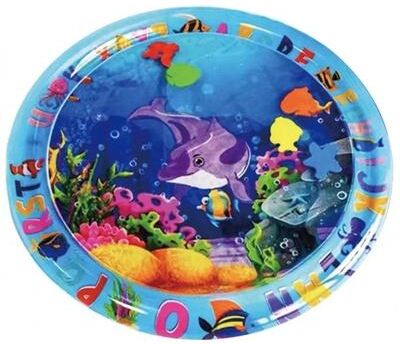
Inspired Finds Interactive Floating Fish Water Sensory Play Mat For Cats sensory MatTurn ordinary playtime into a captivating sensory adventure for your pet. This interactive cat mat features a waterfilled design with floating fish elements that move and shift as your cat paws, presses, and explores the surface. The engaging motion...34,99 $*Shipping: 0,00 $Secure redirect to the provider


-
What are hormone receptors?
Hormone receptors are proteins located on the surface or within the cells of target tissues that are capable of binding to specific hormones. When a hormone binds to its receptor, it triggers a series of cellular responses that ultimately lead to changes in gene expression, cell function, or metabolism. Hormone receptors are crucial for the regulation of various physiological processes in the body, including growth, metabolism, and reproduction. Different types of hormones, such as steroid hormones, thyroid hormones, and peptide hormones, have specific receptors that they bind to in order to exert their effects on target cells. **
-
Do organs have pain receptors?
No, organs themselves do not have pain receptors. Pain receptors, also known as nociceptors, are specialized nerve cells that detect tissue damage and send signals to the brain to indicate pain. While organs do not have pain receptors, the tissues surrounding organs, such as the lining of the abdomen or chest, can contain nociceptors and can transmit pain signals if they are damaged or inflamed. **
-
What are sensory cells, sensory organs, and senses?
Sensory cells are specialized cells that detect and respond to specific stimuli, such as light, sound, touch, taste, and smell. These cells are found in sensory organs, which are structures in the body that contain sensory cells and are responsible for detecting and transmitting sensory information to the brain. The senses, on the other hand, are the physiological capacities of organisms that provide data for perception. They include sight, hearing, touch, taste, and smell, and are essential for experiencing and interacting with the environment. **
-
Why are there 1 million receptors per cm2 if there are 100,000 receptors per cm2?
There may be 1 million receptors per cm2 if there are 100,000 receptors per cm2 because the receptors may be densely packed together, allowing for more receptors to fit within the same area. Additionally, having a higher density of receptors may increase the sensitivity and efficiency of the sensory system in detecting and responding to stimuli. This high density of receptors may be particularly important in areas of the body that require a high level of sensitivity, such as the fingertips or the tongue. **


Which medications block the nicotine receptors?
Medications such as varenicline (Chantix) and bupropion (Zyban) are known to block nicotine receptors in the brain. By blocking these receptors, these medications reduce the pleasurable effects of nicotine, making it easier for individuals to quit smoking. These medications are often used as part of a comprehensive smoking cessation program to help individuals overcome their addiction to nicotine. **
What is the difference between a primary sensory cell, a secondary sensory cell, and a sensory nerve cell?
Primary sensory cells are specialized cells that directly detect stimuli from the environment, such as light, sound, or touch. Secondary sensory cells receive signals from primary sensory cells and transmit them to the central nervous system. Sensory nerve cells, also known as sensory neurons, are responsible for transmitting the signals from secondary sensory cells to the brain, where they are processed and interpreted. In summary, primary sensory cells detect stimuli, secondary sensory cells relay the signals, and sensory nerve cells transmit the signals to the brain for processing. **
Top-Angebote
Products related to Sensory receptors:
-
MACMILLAN My First Touch & Find Jungle – Early Learning Sensory Activity Book for ToddlersTake a trip to the Jungle! Lift the giant flaps to reveal the jungle animals and touch lots of exciting textures. Feel the toucan's smooth bill, the crocodile's bumpy skin and the tiger's stripy fur. Bright and friendly illustrations from Tiago Americo bring the jungle scenes to life and, with something to spot or count on every page too, each colourful book in the My First Touch and Find series provides lots of fun for older babies and toddlers.3,89 £*Shipping: 1,99 £Secure redirect to the provider
-
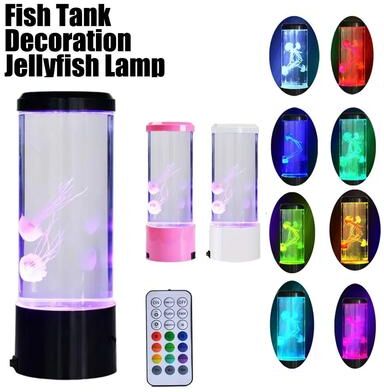
Uplift Essentials Floating Jellyfish Sensory Mood Lamp Floating Jellyfish Sensory Mood LampDive into a world of tranquility with the Floating Jellyfish Sensory Mood Lamp, a mesmerizing centerpiece designed to bring the calming depths of the ocean into your living space. This highdefinition aquarium uses advanced fluid dynamics to create a...72,97 $*Shipping: 0,00 $Secure redirect to the provider
-
MACMILLAN My First Touch & Find Things That Go – Early Learning Sensory Activity Book for ToddlersTake an exciting trip on different Things That Go! Lift the giant flaps to reveal the vehicles and touch lots of exciting textures. Feel a boat's rubbery hull, a tractor's bumpy wheels and a silky hot-air balloon! With something to spot or count on every page too, each colourful book in the My First Touch and Find series will provide lots of fun for older babies and toddlers. With bright and friendly illustrations from Tiago Americo, which really bring the vehicles to life.3,89 £*Shipping: 1,99 £Secure redirect to the provider
-
Are receptors sensory cells?
Receptors are not sensory cells themselves, but they are specialized proteins located on the surface of sensory cells. These receptors are responsible for detecting and responding to specific stimuli, such as light, sound, taste, or smell. When a receptor is activated by a stimulus, it triggers a series of biochemical reactions within the sensory cell, ultimately leading to the generation of a sensory signal that can be transmitted to the brain for processing. Therefore, while receptors are not sensory cells, they play a crucial role in the sensory process by detecting and transducing stimuli into neural signals. **
-
When are receptors formed?
Receptors are formed during early development in the womb. They are essential proteins that are embedded in cell membranes and play a crucial role in transmitting signals from the external environment to the inside of the cell. The formation of receptors is a complex process that involves specific genetic instructions and protein synthesis. Once formed, receptors continue to be expressed and regulated throughout an individual's life to ensure proper cellular communication and function. **
-
What are hormone receptors?
Hormone receptors are proteins located on the surface or within the cells of target tissues that are capable of binding to specific hormones. When a hormone binds to its receptor, it triggers a series of cellular responses that ultimately lead to changes in gene expression, cell function, or metabolism. Hormone receptors are crucial for the regulation of various physiological processes in the body, including growth, metabolism, and reproduction. Different types of hormones, such as steroid hormones, thyroid hormones, and peptide hormones, have specific receptors that they bind to in order to exert their effects on target cells. **
-
Do organs have pain receptors?
No, organs themselves do not have pain receptors. Pain receptors, also known as nociceptors, are specialized nerve cells that detect tissue damage and send signals to the brain to indicate pain. While organs do not have pain receptors, the tissues surrounding organs, such as the lining of the abdomen or chest, can contain nociceptors and can transmit pain signals if they are damaged or inflamed. **
Similar search terms for Sensory receptors
-
Inspired Finds Interactive Floating Fish Water Sensory Play Mat For Cats sensory MatTurn ordinary playtime into a captivating sensory adventure for your pet. This interactive cat mat features a waterfilled design with floating fish elements that move and shift as your cat paws, presses, and explores the surface. The engaging motion...34,99 $*Shipping: 0,00 $Secure redirect to the provider
-
That’s Not My Reindeer – Usborne Touchy-Feely Board Book for Babies & Toddlers Sensory Christmas Baby BookIntroduce little ones to the joy of reading with That’s Not My Reindeer from the bestselling Usborne touchy-feely series. This delightful sensory board book invites babies and toddlers to explore different textures as they search for the right reindeer. With simple, repetitive text and bright illustrations, each page encourages tactile discovery, early language development, and visual engagement. Perfect for tiny hands, the sturdy board pages and touch-and-feel patches make this book ideal for interactive play, early learning, and festive storytime. Why Parents & Babies Love This Book: Interactive touch-and-feel textures on every page Simple, repetitive text for early language skills Bright, engaging illustrations Durable board book format for babies Perfect for Christmas gifts and seasonal reading A charming introduction to books, That’s Not My Reindeer is a festive favourite that supports sensory learning and early development. Related Tags: Usborne, Usbourne4,99 £*Shipping: 1,99 £Secure redirect to the provider
-
Usborne That’s Not My… Wild Animals 6 Book Set – Touchy Feely Baby Sensory Board Books CollectionUsborne Thats Not My Wild Animals Series Collection Usborne Touchy-Feely 6 Books Set Usborne Thats Not My Penguin Usborne Thats Not My Panda Usborne Thats Not My Monkey Usborne Thats Not My Polar Bear Usborne Thats not my Lion Usborne Thats not my Meerkat22,95 £*Shipping: 2,99 £Secure redirect to the provider
-
What are sensory cells, sensory organs, and senses?
Sensory cells are specialized cells that detect and respond to specific stimuli, such as light, sound, touch, taste, and smell. These cells are found in sensory organs, which are structures in the body that contain sensory cells and are responsible for detecting and transmitting sensory information to the brain. The senses, on the other hand, are the physiological capacities of organisms that provide data for perception. They include sight, hearing, touch, taste, and smell, and are essential for experiencing and interacting with the environment. **
-
Why are there 1 million receptors per cm2 if there are 100,000 receptors per cm2?
There may be 1 million receptors per cm2 if there are 100,000 receptors per cm2 because the receptors may be densely packed together, allowing for more receptors to fit within the same area. Additionally, having a higher density of receptors may increase the sensitivity and efficiency of the sensory system in detecting and responding to stimuli. This high density of receptors may be particularly important in areas of the body that require a high level of sensitivity, such as the fingertips or the tongue. **
-
Which medications block the nicotine receptors?
Medications such as varenicline (Chantix) and bupropion (Zyban) are known to block nicotine receptors in the brain. By blocking these receptors, these medications reduce the pleasurable effects of nicotine, making it easier for individuals to quit smoking. These medications are often used as part of a comprehensive smoking cessation program to help individuals overcome their addiction to nicotine. **
-
What is the difference between a primary sensory cell, a secondary sensory cell, and a sensory nerve cell?
Primary sensory cells are specialized cells that directly detect stimuli from the environment, such as light, sound, or touch. Secondary sensory cells receive signals from primary sensory cells and transmit them to the central nervous system. Sensory nerve cells, also known as sensory neurons, are responsible for transmitting the signals from secondary sensory cells to the brain, where they are processed and interpreted. In summary, primary sensory cells detect stimuli, secondary sensory cells relay the signals, and sensory nerve cells transmit the signals to the brain for processing. **
* All prices are inclusive of VAT and, if applicable, plus shipping costs. The offer information is based on the details provided by the respective shop and is updated through automated processes. Real-time updates do not occur, so deviations can occur in individual cases. ** Note: Parts of this content were created by AI.